
ESPORG Annual Conference 2026: Launching the Second Year of the Wellbeing Campaign
Focus on Drivers’ Wellbeing
As we enter the second year of the groundbreaking Wellbeing Campaign – “Drive Safe, Park Safe, Work Safe, Live Well” – we’re thrilled to launch its next phase:“Park Safe”. This evolution emphasizes creating secure, comforting spaces for drivers on the road, introducing the innovative Home Away from Home concept. At the heart of this launch is the idea of transforming not just truck parking areas, but the entire supply chain – from loading docks and rest stops to en-route services – into welcoming havens where drivers can rest, recharge, and even share their stories with peers. Under the inspiring slogan „Safe Parking, Warm Welcomes: Home Away From Home – Where Drivers Rest, Recharge, and Share Their Stories”, we’re building a narrative of empathy, community, and sustainability in the transport sector, extending welcoming atmospheres beyond parking facilities to every touchpoint in a driver’s journey.
Join us at the ESPORG Annual Conference on March 4, 2026, hosted at the European Commission’s Borschette Building in Brussels (Room AB-0A). This pivotal event unites policymakers, industry leaders, and stakeholders to celebrate excellence in truck parking while advancing secure infrastructure. As part of the European Wellbeing Initiative (EWELLIN), this conference segment spotlights drivers’ wellbeing – addressing the EU’s acute driver shortage, elevating working conditions, and fostering health and safety. The story of this event revolves around real human experiences: the long-haul driver’s exhaustion after hours on the road, the relief of finding a safe, inclusive spot to unwind – whether at a parking area, warehouse, or service station – and the camaraderie that builds when environments feel like a true “home away from home.” Through discussions, insights, and awards, we’ll explore how collaborative efforts can turn these visions into reality, making every stop a step toward a healthier, more inclusive industry.
The Wellbeing Campaign has already sparked meaningful change in its first year, raising awareness about physical and mental health challenges for professional drivers – from inadequate facilities and insecurity to poor hygiene, particularly affecting underrepresented groups like women. Now, in year two, “Park Safe” takes center stage, promoting amenities that go beyond basics: think cozy lounges for storytelling sessions, wellness zones for recharging, and secure, gender-responsive designs that encourage restful breaks across the supply chain. This aligns with our mission to combat the driver shortage (currently around 500,000 unfilled positions in Europe), reduce turnover, and build a resilient supply chain.
We’re also excited to launch a new course on the ESPORGs EU Parking Academy training platform, designed for parking managers and staff. This comprehensive program, aligned with the EU Standard for safe and secure truck parking areas under Delegated Regulation 2022/1012, focuses on practical strategies to create welcoming atmospheres in parking facilities – from inclusive design and staff training to fostering community and wellbeing. Drawing from the “Home Away from Home” concept, it equips participants with tools to extend hospitality and support, ensuring drivers feel valued and safe.
Event Highlights: Panel Discussion & Award Ceremony – Weaving the “Home Away from Home” Story



Addresses by Key Speakers
We are privileged to feature high-level addresses that underscore the importance of extending welcoming atmospheres across the transport ecosystem. These speakers bring deep expertise in EU policy, labor rights, and social security, highlighting how collaborative policies can create supportive environments not just in parking areas, but throughout the supply chain – from mobility frameworks to workplace conditions.
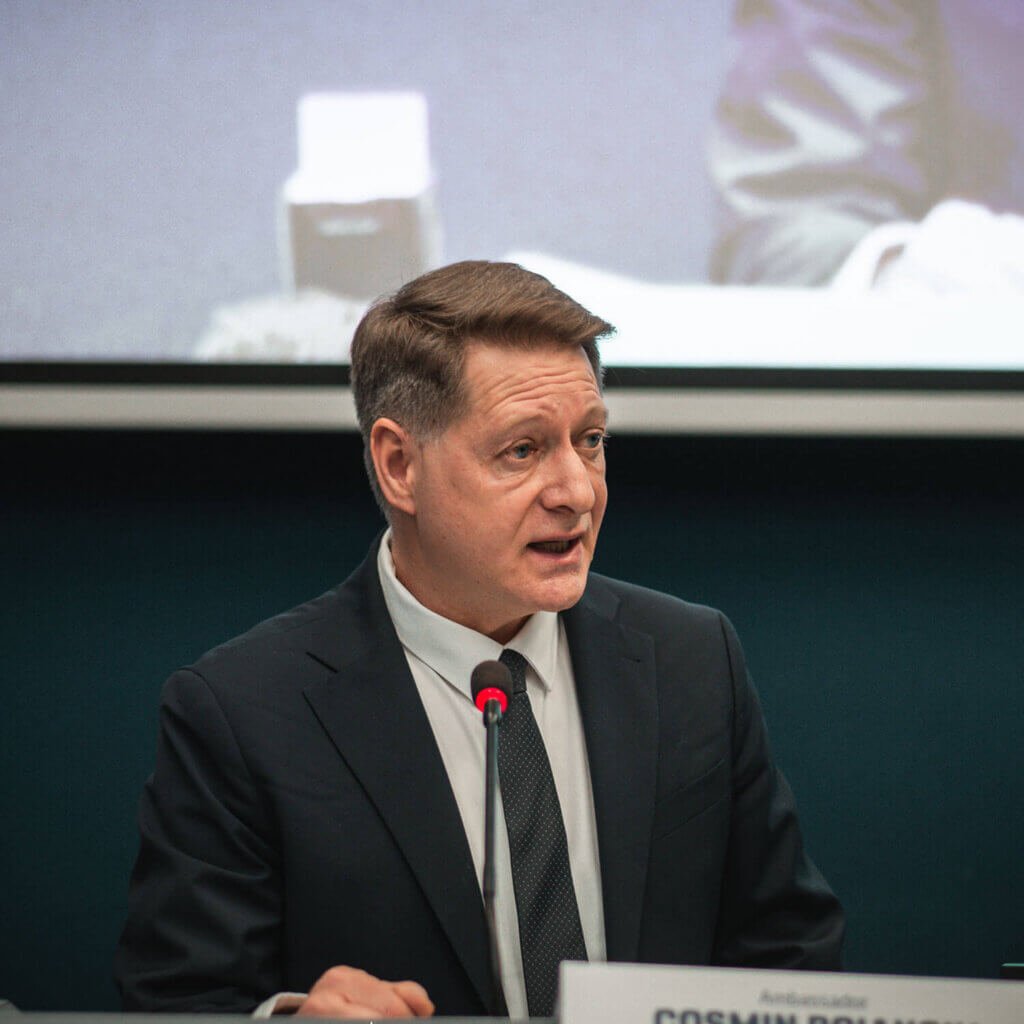

Ambassador Cosmin Boiangiu
Ambassador Cosmin Boiangiu has served as Executive Director of the European Labour Authority (ELA) since October 2020. A career diplomat, he leads ELA’s work to strengthen fair labour mobility and enforce EU rules on working conditions—with particular focus on transport and logistics. Under his leadership ELA advances coordinated inspections, mutual-learning programmes (such as TRANSPORT SUPPORT), and cross‑border initiatives to combat exploitation and improve job quality and driver wellbeing across Member States.
“ESPORG´s work and the awards being presented today, including the “Home Away from Home Award”, recognise exactly this: driver´s wellbeing depends on the quality, availability and security of parking infrastructure. We cannot ignore the reality that the shortage of drivers is becoming one of the most serious labour market challenges in European transport. Improving working conditions is therefore essential not only for fairness but for the resilience and competitiveness of Europe’s transport system.
Safe parking, proper rest, enforcement of rules, and social standards all play a part. But equally important is the recognition of the value and professionalism of drivers.
I want to reaffirm ELA´s readiness to continue working closely with ESPORG, with the European Commission, with social partners, and with Member States. Together, we can ensure that enforcement is effective, that standards are clear and evenly applied, and that drivers experience the benefits of these efforts in their daily working lives.”


Francesco Corti
Francesco Corti is a Member of the Cabinet of Executive Vice‑President Roxana Mînzatu at the European Commission, responsible for Social Rights, Skills, Quality Jobs and Preparedness. He oversees labour mobility, free movement of workers, public employment services (PES), EURES, the European Labour Authority (ELA), professional qualifications and skills portability, and social security coordination with digitalisation. His portfolio also covers transport and internal market policies with a focus on job quality in the green transition and combating exploitation in logistics, supporting initiatives to improve driver wellbeing, skills recognition and cross‑border enforcement of fair working conditions.
” Labor mobility should be free, but it must also be fair—fair for companies, fair for workers and fair for the authorities responsible for enforcing the rules we have in place.
If the workers in the EU road transport sector do not have access to safe and secure parking areas, in this case we cannot truly speak about good working conditions for the sector. Without adequate facilities, working conditions deteriorate, and with them the attractiveness of the sector.
Since I have the pleasure to announce the Home Away from Home award, I would like to emphasise its importance in promoting safe and secure parking areas. These are places where drivers can genuinely feel at home. This means not only having access to food, proper bathrooms and shower facilities, but also having the opportunity to maintain a healthy lifestyle. Whether a driver is a woman or a man, they should have the same possibility as anyone else who finishes work and goes home—to go for a run, to exercise, or to go to the gym.
ESPORG’s Wellbeing Initiative is therefore extremely important. We must actively promote parking areas that are both safe and secure. As the European Commission, we have a clear responsibility in this field, because it is an area where European action brings real added value.”
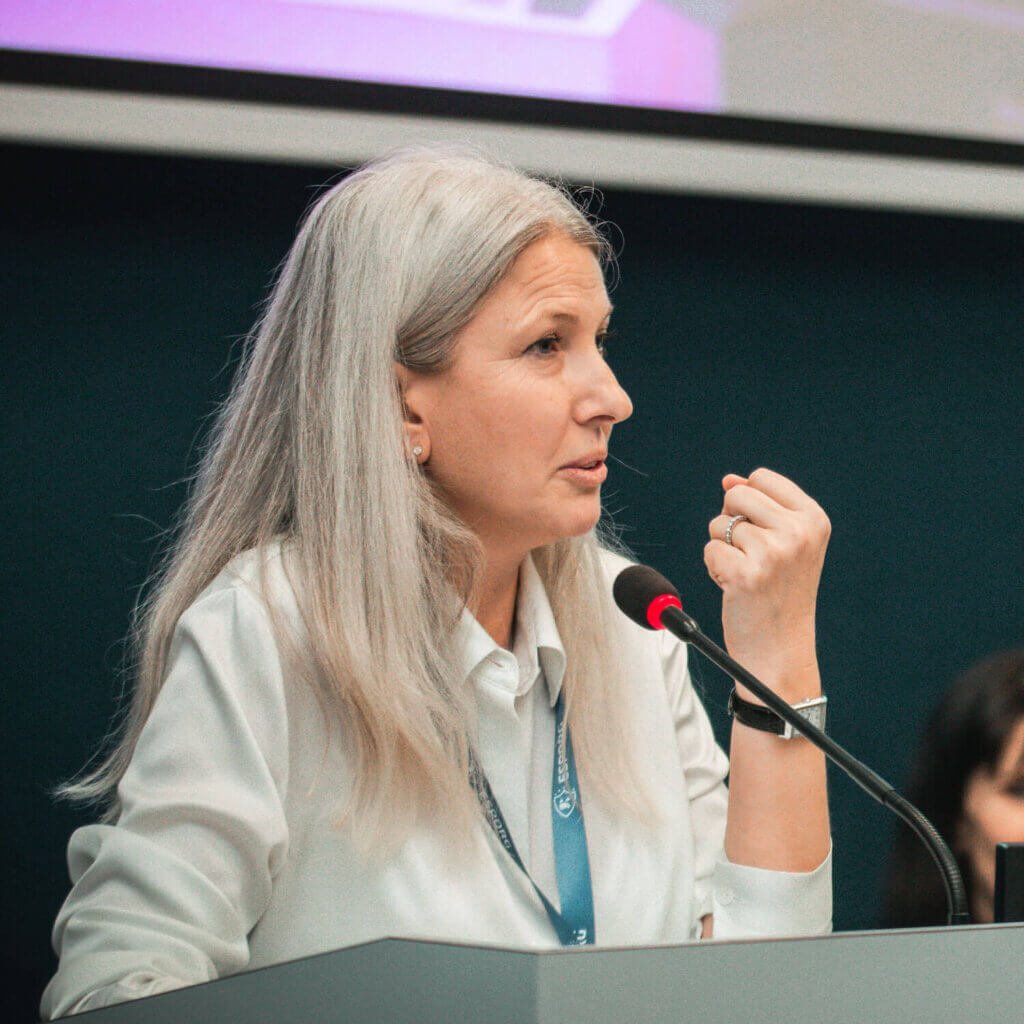
Druselia Betea, Head of European Wellbeing Initiative
“Home away from home is not a place — it’s a feeling. We must give that feeling to our drivers by creating moments of safety, rest and connection: secure, well‑lit parking, clean facilities, a warm meal, reliable connectivity and a respectful welcome. These small, consistent acts restore dignity, reduce isolation and keep drivers healthy — and that care sustains our entire supply chain.”
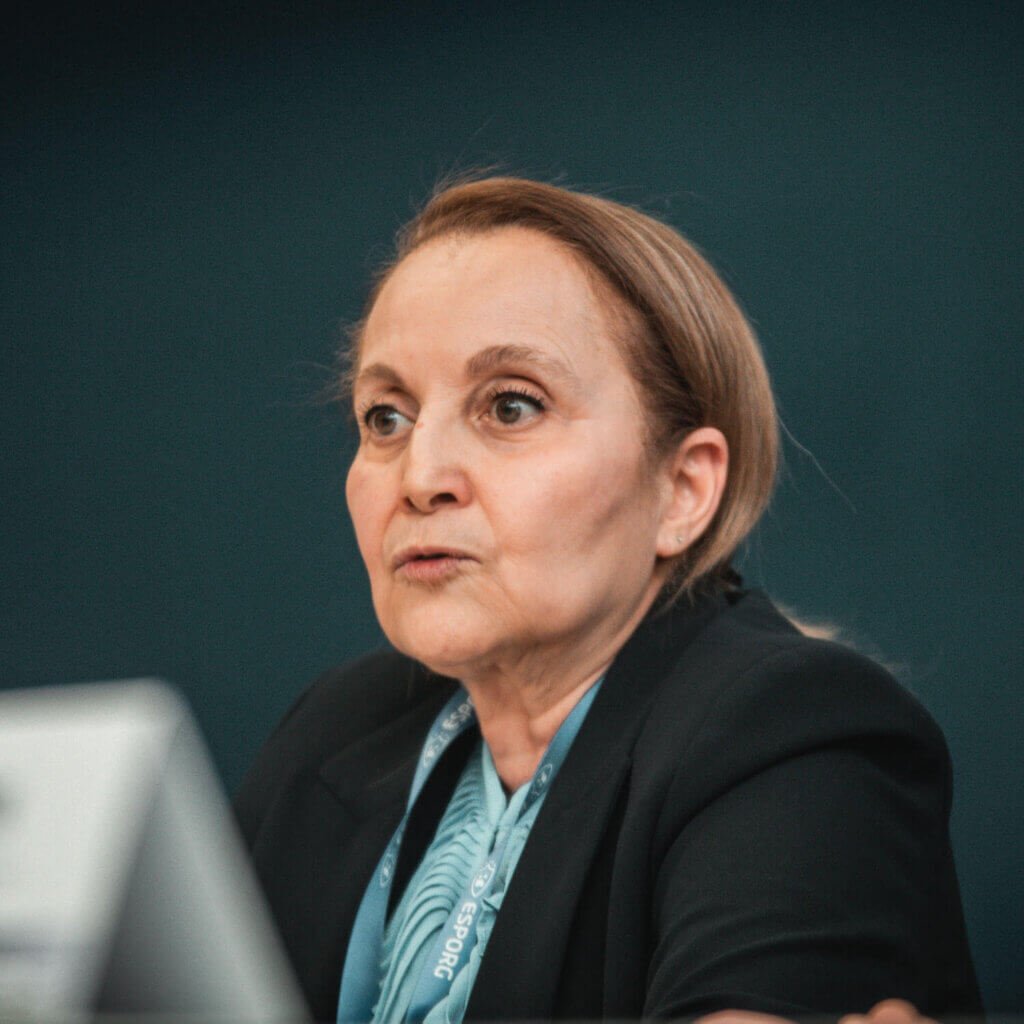
Malika Seddi
Malika Seddi is Secretary General and CEO of ASECAP, the European association of toll motorway operators. She leads ASECAP’s strategic engagement with EU institutions, industry stakeholders and international partners to advance road safety, sustainable motorway operations and interoperable tolling solutions. Her work promotes intelligent transport systems, reduced border delays and improved rest-area standards—contributing directly to safer, less stressful conditions and better wellbeing for drivers.
“Across Europe, HGV drivers are the backbone of our economy. Every day, they transport food, medicine, industrial goods and essential materials. Ensuring that they can work in safe, compliant and humane conditions is not just a service objective — it is a responsibility. European toll motorway operators support Heavy Goods Vehicle drivers — not only to keep freight moving efficiently, but also to respond to two major challenges: road safety and driver well-being.”
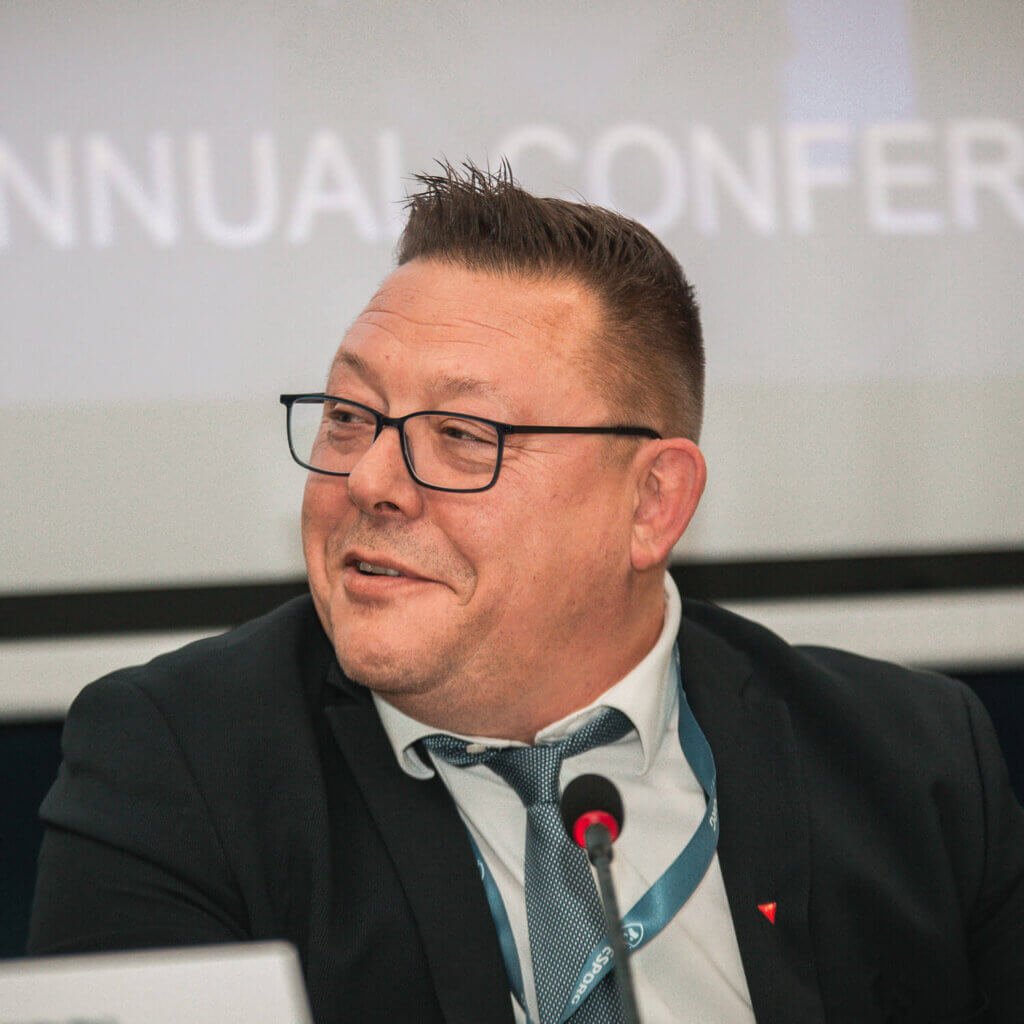
Sven Hemelaers
Sven Hemelaers is Coordinator for Road Transport & Logistics at BTB‑ABVV (Belgian Transport Workers’ Union), where he leads advocacy on working conditions, fair labour practices and driver wellbeing. He coordinates European Works Council activity and champions measures against social dumping, fatigue management, improved rest facilities, mental‑health support and gender‑inclusive policies. Sven works closely with unions, employers and policymakers to advance practical solutions—better parking, safer schedules, training and enforcement—that protect drivers’ health, dignity and job quality.
„The well-being of drivers must be an absolute priority for all stakeholders in the sector. BTB endorses Esporg’s well-being pledge but, in addition to the initiatives already taken, calls for special attention to be paid to the working conditions of drivers. Too often, drivers are exploited and underpaid. A fair and honest wage for acceptable working hours is essential for mental well-being. Limiting the subcontracting chain and chain liability are undeniable links in the well-being of drivers.”

Jordi Espin Vallbona
Jordi Espin Vallbona is Secretary General of Transprime (Spanish Shippers’ Council) and Strategic Relations Manager at the European Shippers’ Council. He advocates for shippers’ interests in policy and fosters collaboration between industry, public authorities and logistics stakeholders to improve supply‑chain efficiency and sustainability. Jordi champions driver wellbeing through fair contractual practices, improved rest facilities and predictable schedules, and supports initiatives like Shippers of Trust to promote responsible, transparent contracting and humane conditions across the logistics chain.
„Shippers and BCOs, are committed to contributing to drivers’ wellbeing by improving conditions at delivery sites, in line with our global standard endorsed by IRU, ITF and GSA. We believe in working together with the freight community to ensure operations are safe and create a win-win-win outcome for everyone involved.”

Thierry Roger
Thierry Roger is Manager of Bapaume Truck House, a secure truck parking facility in Bapaume, France (opened 2025) and an ESPORG member. Bapaume Truck House — Winner of the Excellence in Truck Parking Award 2026 — prioritises driver comfort, security and wellbeing through dedicated amenities, wellness programmes and inclusive design. Thierry is active in the European Wellbeing Initiative’s working groups, collaborating on standards and practical solutions—such as quiet rest zones, gender‑responsive facilities, on‑site support services and community activities—that improve drivers’ safety, mental health and quality of rest.
„Logistics runs on people, not just trucks. At Bapaume Truck House, we are committed to elevating driver wellbeing by providing the safe, high-quality environment they need to rest, and stay respected.

Timur’s story
It is 10:30 p.m. on a cold winter evening. Timur is still on the road, running out of legal driving time and searching urgently for a safe place to stop. Highways are full, rest areas overflowing, and secure parking is nowhere to be found. He finally pulls into a poorly lit lay-by. Hungry and exhausted, he eats quickly, knowing sleep will be shallow and broken. Before he lies down, he ties the two cabin doors together — a small, grim ritual born of fear.
A few months earlier, while he slept, thieves broke into his truck. They sprayed gas so he wouldn’t wake, stole his phone, his ID papers and the little cash he had. That night left Timur with more than lost items: it took from him the simple security of staying in touch with his family, and the documents he needs to return home. Replacing them will take months.
Timur came from Uzbekistan to work a job many in Europe no longer want to do. He keeps our shops stocked and our factories moving. Yet despite working long shifts and accepting tough conditions, he earns barely €1,000 a month. He is supposed to go home every four weeks; instead, he manages to return only every six months — when he can at all. To get home he endures a five-day, unpaid minibus journey of some 7,000 kilometres, squeezed with seven colleagues and sleeping in the bus. He told this story to a visitor with a smile; the smile did not hide the strain behind it.
Timur’s choices, sacrifices and resilience are not unique. They reveal the human cost behind our supply chains — the daily vulnerability of drivers who keep Europe moving. The Wellbeing Initiative believes their safety, dignity and wellbeing must be more than optional: they are an obligation. Simple acts of respect — a warm meal, an attentive conversation, safe, well-lit parking and access to support — make drivers feel seen, valued and protected.
„Join us in making change for people like Timur. Support secure parking, fair working conditions and practical wellbeing measures so every driver can return home safely, stay connected with family, and work with dignity.”
Presented by Thierry Roger, General Director of Bapaume Truck House, (FR)
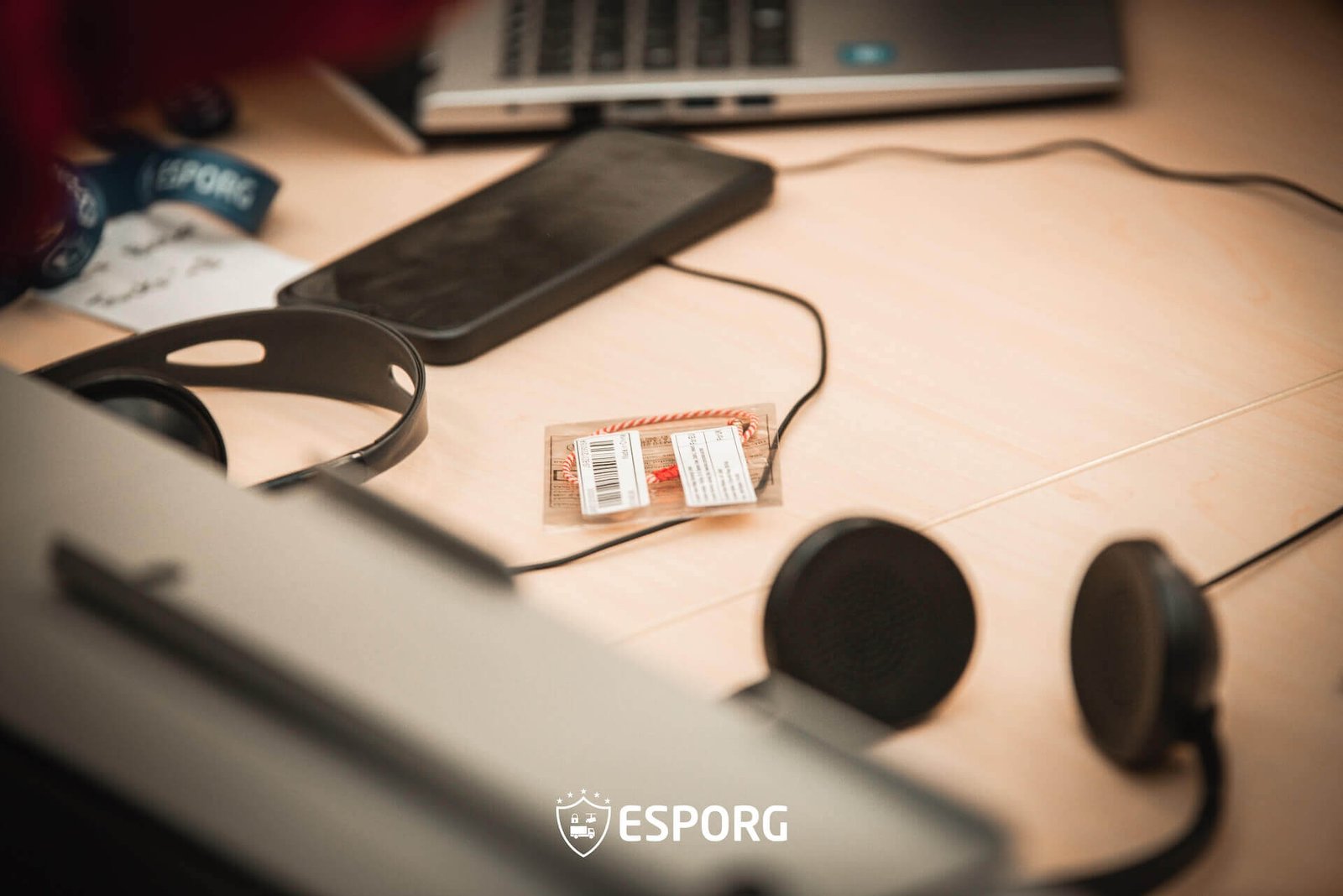
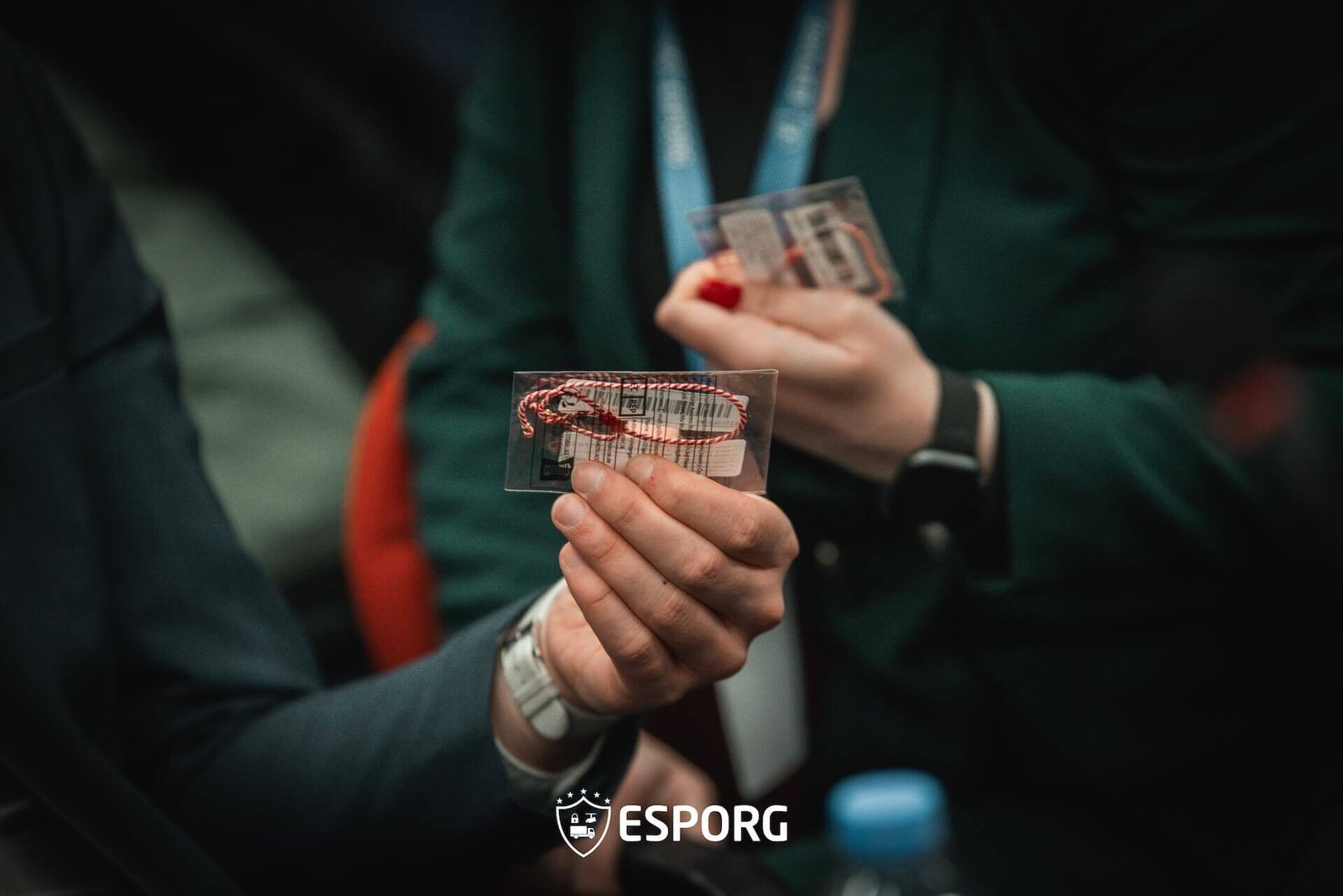
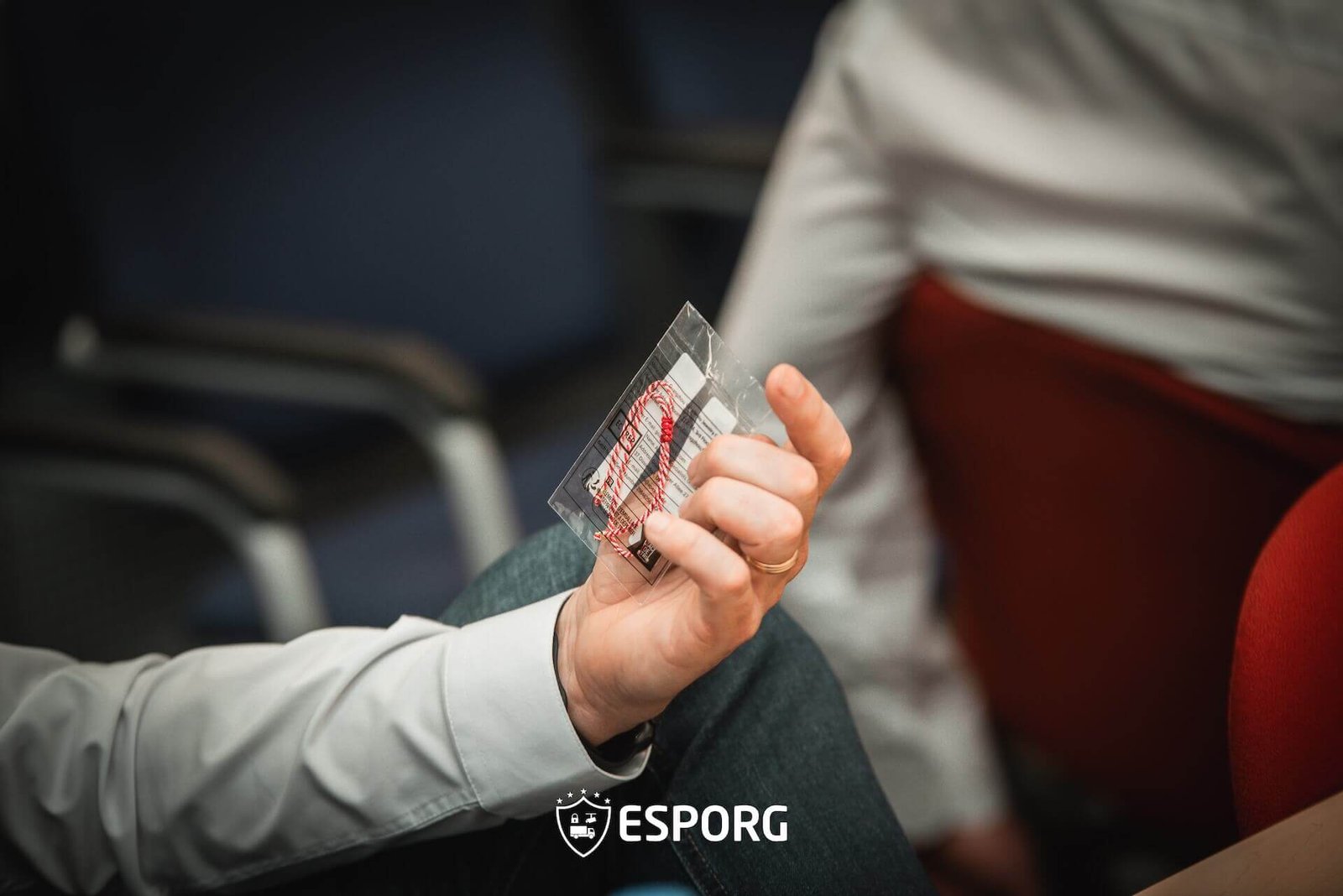
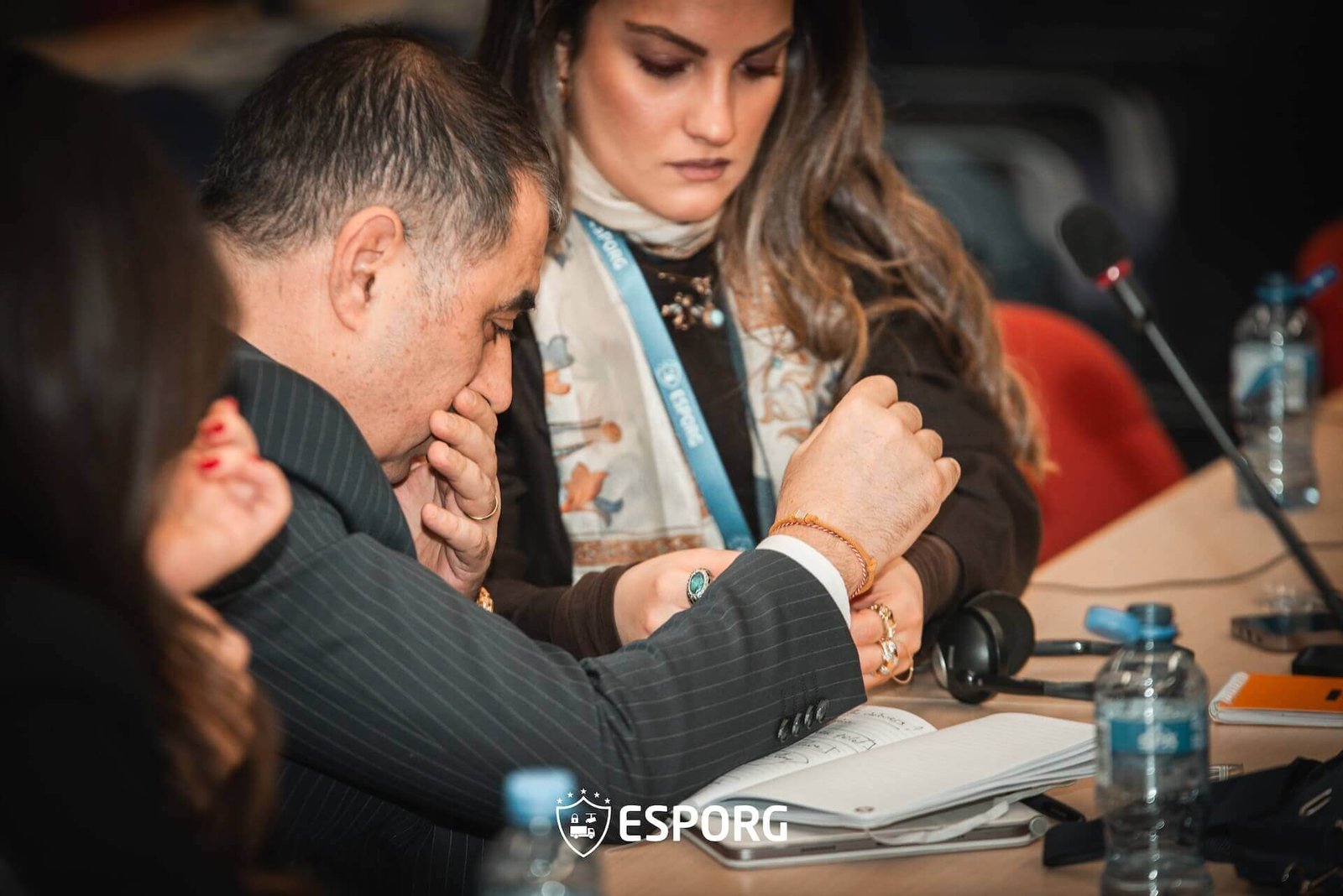
Mărțișor moment
At the close of the Wellbeing Panel we invited everyone to share a simple, powerful gesture: to tie a Mărțișor bracelet on each other’s wrists. In that short ritual—hands joined, threads exchanged—a room of professionals became a circle of human connection. Laughter, warm words and a few quiet moments of reflection turned an ordinary ending into a lasting sign of solidarity.
About Mărțișor
Mărțișor is a centuries‑old tradition from Romania and Moldova that celebrates the arrival of spring. A small talisman or braided red‑and‑white thread is offered as a wish for health, renewal and good fortune. The red and white colours symbolize the harmony of life—vitality and purity—and the gesture is a hopeful invitation to new beginnings.
Where the tradition exists
Beyond Romania and Moldova, related spring‑talisman customs are found across the Balkans and neighbouring regions, including Bulgaria (martenitsa), North Macedonia, Albania, Greece (martis), Serbia, Kosovo, Montenegro and parts of Turkey.
Why this mattered for our campaign
By sharing Mărțișor bracelets we translated tradition into practice: a tangible reminder that wellbeing is rooted in community, attention and care. The act embodied our campaign’s core message—that small, thoughtful gestures build trust, reduce isolation and reconnect drivers and professionals to the human dignity behind every journey. This moment of connection invites everyone to carry the spirit of spring and hope into their daily work and to continue building safer, kinder places for those who keep Europe moving.