PHONE NUMBER :

+32 493 47 54 75

EMAIL ADDRESS :

info@ewellin.eu

Joining forces for safer, more inclusive road transport.

The Women Wellbeing Working Group brings together leaders from across the transport supply chain to remove barriers facing women professional drivers and help make the sector more attractive for everyone.

Women Wellbeing Working Group

LOCATION

Brussels, Belgium

LEAD
Druselia Betea, Head of EWELLIN
 
FOCUS
Safety, dignity, inclusion and wellbeing
 
ROADMAP
Research, focus groups and tools through 2027
A COORDINATED EUROPEAN EFFORT

A new platform for practical, sector-wide action.

Brussels, 20 July 2026 — The European Wellbeing Initiative powered by ESPORG launched the Women Wellbeing Working Group with a dynamic kick-off meeting on 16 July 2026.

Led by Druselia Betea, Head of EWELLIN, this collaborative platform unites key players across the transport supply chain to tackle barriers facing women professional drivers and make the sector more attractive for all.

4%

Women among truck drivers in the EU

70%

Nearly this many women report threats or harassment

2027

Research and practical tools developed through the year
KEY PERSPECTIVES

From global vision to proven, practical solutions.

IRU

Setting the global and European vision

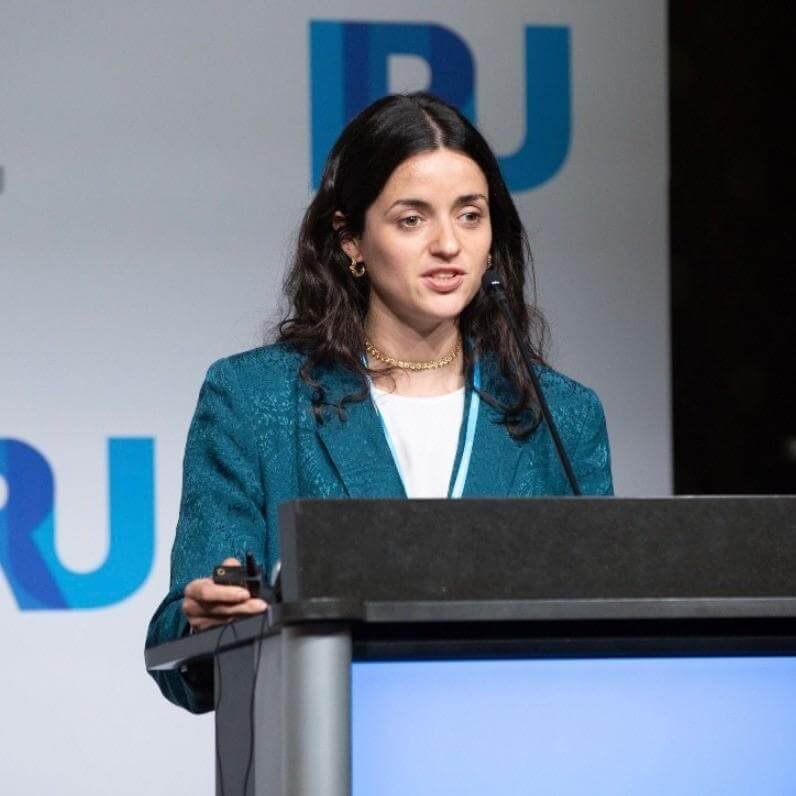
Clara Sánchez López, Policy Adviser at IRU, opened with the broader picture. Women represent only about 4% of truck drivers in the EU, exacerbating the massive driver shortage.

Common barriers include stereotypes, male-dominated cultures, lack of role models, and inadequate secure parking, sanitary facilities and rest areas. IRU’s Women Driving Change initiative shows that these challenges are consistent across regions.

Clara introduced the IRU Charter for Women in Road Transport and a practical toolkit tailored for small and medium enterprises.

Making road transport more attractive to women requires the whole sector to work together and focus on practical change.

CLARA SÁNCHEZ LÓPEZ

ATRI

Transatlantic insights on challenges and solutions

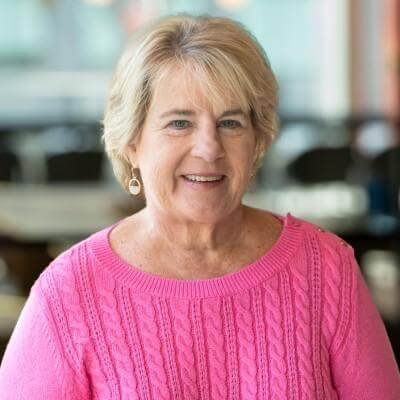
Rebecca Brewster, President of the American Transportation Research Institute, together with Research Associate Andrew Fain, highlighted that similar problems persist in the United States, where women make up only 4.7% of over-the-road drivers.

Key issues include insufficient safe parking capacity, limited exercise opportunities and denial of bathroom access at customer sites.

ATRI research underscores women’s stronger safety performance and recommends supportive training environments and family-aware policies for better recruitment and retention.

It was gratifying to see the collective commitment to making the transportation work environment more inclusive and safer for women.

REBECCA BREWSTER

BSEC-URTA

Proven best practices from the Black Sea region

Elif Nuhoglu, EU & International Relations Unit Manager at BSEC-URTA, showcased the UND Women Truck Driver Academy in Turkey as a flagship success story.

Developed through public-private partnerships with ministries, employment agencies and universities, the internationally accredited 100-hour programme combines theory and practice, rigorous selection and direct employment with UND members.

The model addresses Turkey’s approximately 93,000-driver shortage, where female participation is around 1.4%, and is being expanded regionally as a best practice.

Elizabeta Ivanovska reinforced the need for holistic approaches across the Black Sea and Western Balkans, including upgraded parking, digital training and subsidies.

ESPORG & EWELLIN

Driving pan-European action

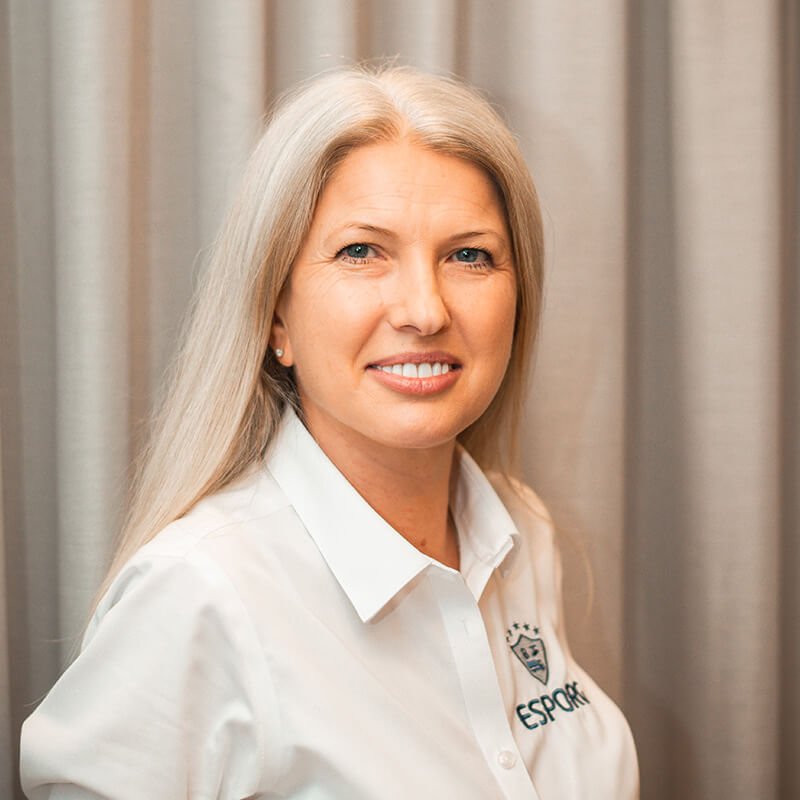
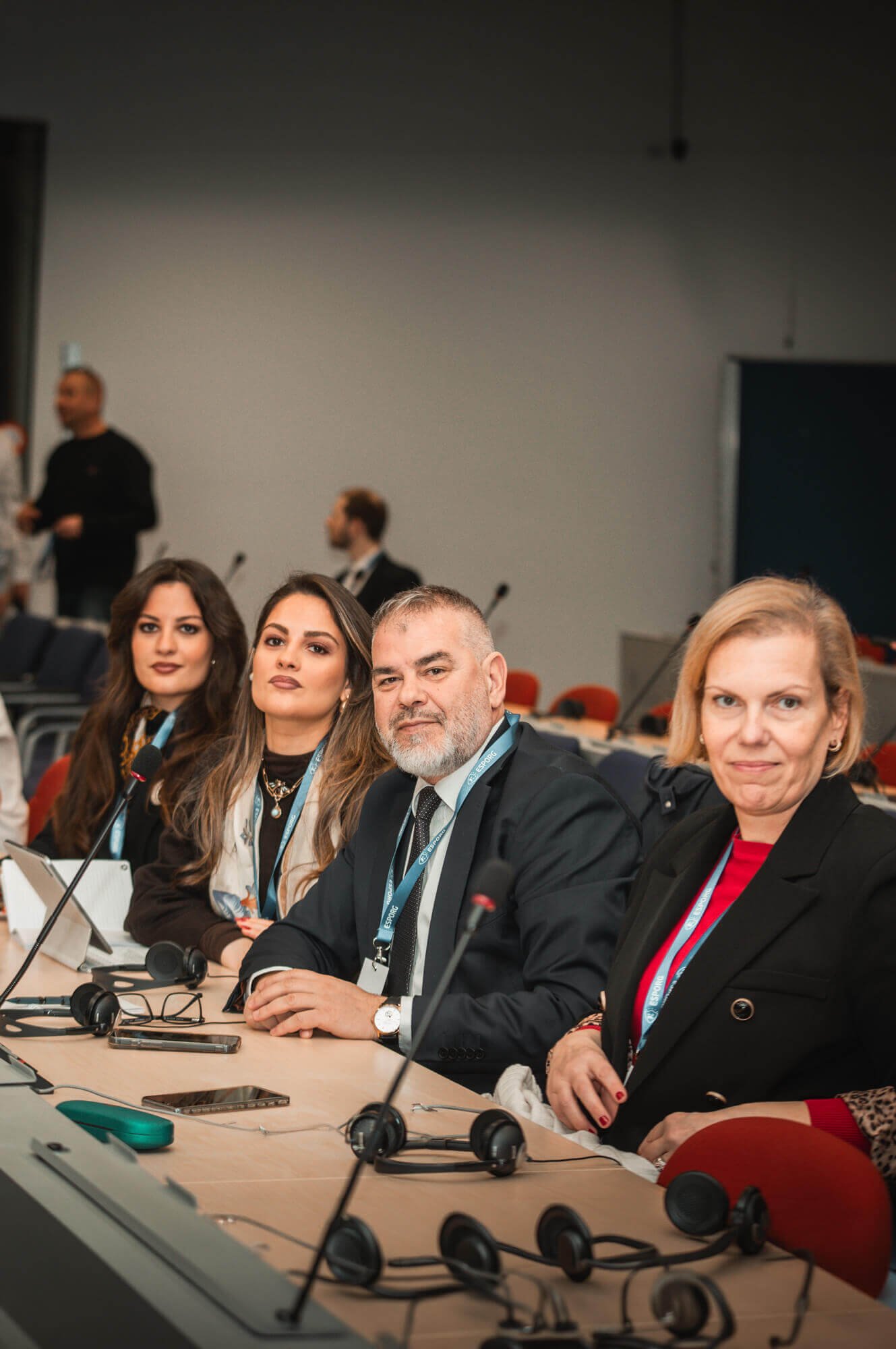
Mirjam Frakulla of ESPORG presented European parking study data revealing acute safety and dignity gaps for women drivers: over 60% report insufficiently clean areas, while nearly 70% have faced threats or harassment.

Practical solutions include better user feedback through tools such as QR codes, prioritised secure spaces near facilities, private sanitary options and visible security.

Druselia Betea emphasised the power of collective action across the full supply chain — from drivers and hauliers to shippers, parking operators and authorities.

Our goal is clear: make truck driving a more attractive, respectful and supportive profession for women and ultimately for everyone in the sector.

DRUSELIA BETEA

THE NEXT CHAPTER

Turning shared knowledge into measurable change.

This kick-off meeting marks the beginning of a coordinated pan-European effort. First-wave leaders from IRU, ATRI, BSEC-URTA and ESPORG have created a strong foundation. More partners across the supply chain are invited to join forces after the summer break.

Working Group priorities through 2027

The initiative will combine evidence, direct feedback from women drivers and practical implementation tools.

Advance targeted research and cross-regional knowledge sharing.
 
Organise focus groups that centre the voices and lived experiences of women drivers.
 
Develop practical tools for operators, employers and infrastructure providers.
 
Promote safe facilities, dignified working conditions and inclusive recruitment.

Meet the people shaping the

Working Group.

Representatives from international transport organisations, research institutes and the European Wellbeing Initiative brought together policy expertise, operational insight and practical solutions.

Clara Sánchez López

Policy Adviser

Rebecca Brewster

President

Andrew Fain

Research Associate

Elif Nuhoglu

EU & International Relations Unit Manager

Mirjam Frakulla

European parking study contributor

Druselia Betea

Head of EWELLIN & Working Group Lead

Caroline Baugniet

Working Group contributor

JOIN FORCES

Together, we can build a safer, more inclusive future for women in road transport.

Organisations across the transport and logistics chain are invited to contribute expertise, evidence and practical support to the next phase of the Working Group.